MemoHoney Official Website › Articles › Side effects
Side effectsThe Tingle: Beta-Alanine, Paraesthesia And 40 mg A Capsule
Beta-alanine produces a harmless prickling of the face, scalp and hands within about twenty minutes of a dose.
It is a receptor effect in the skin, it is unrelated to what the ingredient is taken for, and it is dose-dependent. This label prints 40 mg a capsule, a sixtieth of the smallest trial dose, so on this bottle the tingle is unlikely.
The one thing you will actually notice
Most of what a daily supplement does is invisible. Beta-alanine is the exception, and it is worth knowing about before the first capsule rather than twenty minutes after it.
Paraesthesia is the technical word: a tingling or prickling across the face, the scalp, the neck and the backs of the hands. It starts within about twenty minutes of a dose, builds for a few minutes, and fades within an hour or two. It is harmless, it is well described, and it surprises people every time.
On this label it is also the effect a buyer is least likely to meet. The Supplement Facts panel prints 40 mg of beta-alanine a capsule, and the trials that describe the tingle used grams. That gap is what this article is about.
Treat what follows as reading about a dietary supplement, not as treatment advice. A memory change that other people have noticed, or one that has worsened steadily month on month, deserves an assessment rather than a purchase. MedlinePlus sets out what is worth reporting.
Why beta-alanine does this and the others do not
Beta-alanine is one half of carnosine, a molecule made of two amino acids that buffers acid inside muscle and is also present in brain tissue. The other half, histidine, is never in short supply, so beta-alanine is the rate-limiting step: supplying it is what raises carnosine stores.
The tingling is a separate effect entirely, and it is not caused by carnosine. Beta-alanine activates a particular receptor on sensory nerve endings in the skin, which produces the sensation directly. That is why it arrives within minutes of a dose and leaves again, while the carnosine accumulation it is actually taken for takes weeks.
No other ingredient on this label does it. Niacin produces a flush, which is something else: warmth and reddening rather than prickling, caused by prostaglandin-mediated dilation of small skin vessels. The two get confused constantly and they are distinguishable once you know what to look for.
| What you feel | Which ingredient | When it starts | How long it lasts |
|---|---|---|---|
| Prickling or tingling on the face, scalp and hands | Beta-alanine | Within about 20 minutes | One to two hours |
| Warmth and reddening of the face, neck and chest | Niacin | 15 to 30 minutes | Under an hour, usually |
| Loose stools or stomach discomfort | Arginine, at larger amounts | Within hours | Until the dose changes |
| Nothing at all | Any of them, at the amounts on this label | Not applicable | Not applicable |
Two different mechanisms with two different sensations. Neither is a sign of harm, and the fourth row is the commonest outcome.
Dose-dependent, and the dose is printed
Here is the useful part. Paraesthesia is dose-dependent, and the relationship is well enough described to set a label amount against.
The sports literature ran beta-alanine at 3.2 to 6.4 g a day, usually split into smaller doses precisely because a single large dose produces the tingling. The exercise meta-analysis pooled dozens of those protocols. A systematic risk assessment went through the safety record and found no consistent adverse effect other than paraesthesia up to 6.4 g a day, and a review in a military population reached the same conclusion.
The brain result everybody quotes used less: a randomised trial in adults aged 60 to 80 gave 2.4 g a day and moved a hippocampal imaging measure.
The label settles the arithmetic: 40 mg a capsule. That is a sixtieth of the 2.4 g imaging-trial dose and a hundred-and-sixtieth of the 6.4 g at the top of the sports range. On those numbers a tingle is unlikely, and if one does appear it says more about individual sensitivity than about the capsule.
Without a panel, the absence of a tingle would be the only clue a buyer had to how much beta-alanine a capsule held. The panel says it directly: 40 mg. No tingle is what 40 mg predicts, and the same arithmetic says the carnosine loading the trials describe is not what a capsule this size is doing either.
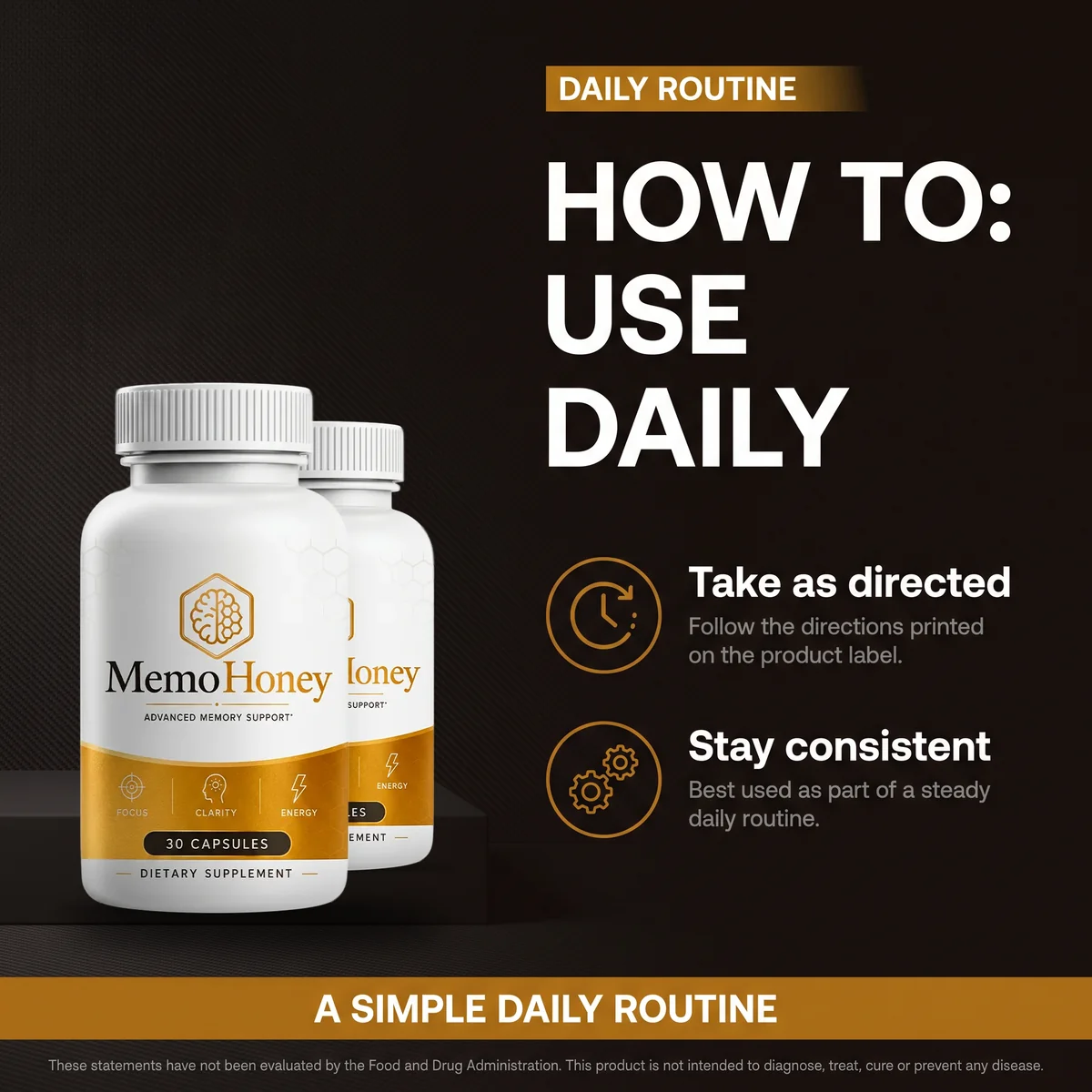
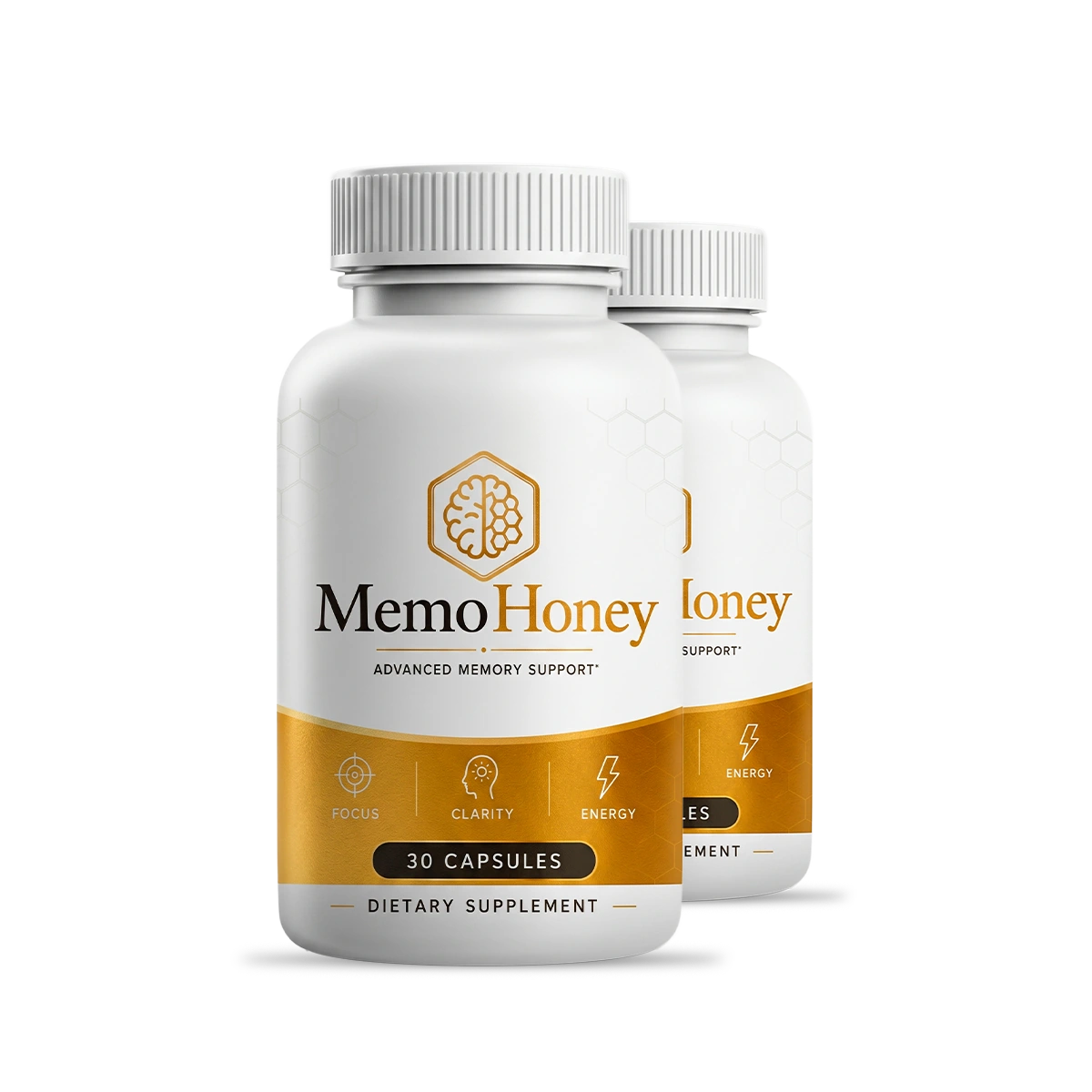
Read the MemoHoney label while this is in front of you
Seven lines on the label panel, the amount each published trial used beside them, and 60 days from the date of purchase to decide.
Two bottles $158 · six bottles $294 · 60-day money-back guarantee
Order MemoHoney From This CounterLot MEM-26/ME-4192 · one a morning, 30 to a bottle · ships from the United States
What to do if it happens
- Recognise it. Prickling on the face and hands twenty minutes after a capsule is beta-alanine. Warmth and redness is niacin. Neither is an allergic reaction
- Wait. Both fade within an hour or two, and both usually diminish over repeated days as the body adapts
- Take it with food if it is unpleasant. Food slows absorption and blunts the peak concentration that produces the sensation
- Do not double up. The effect is dose-dependent, so two capsules is the one change guaranteed to make it worse
- Stop and seek help for anything else. Rash, swelling of the face or throat, or difficulty breathing is not paraesthesia and is not a flush
What the tingle does not mean
Two readings of this sensation circulate on forums and both are wrong.
The first is that it means the product is working. It does not. The tingling is a receptor effect in the skin, entirely separate from the carnosine accumulation beta-alanine is taken for, and that accumulation takes weeks. Feeling something in the first hour is feeling the delivery, not the result.
The second is that it means something is wrong. That is equally unfounded. The risk assessment covers this directly: no consistent adverse effect beyond the sensation itself at amounts far above the 40 mg on this label.
A third, more interesting reading is worth mentioning because it concerns a different compound. A 2025 trial of carnosine itself, at 2 g a day, improved cognitive outcomes in the younger half of its sample. That is carnosine given directly rather than beta-alanine given to raise it, and the distinction matters when a sales page quotes one to support the other.
What beta-alanine is actually taken for
The tingling is the part people notice. It is not the part the ingredient is on the label for, and the gap between those two things is worth closing.
Carnosine sits in muscle and in brain tissue and does two jobs: it buffers acid, which is why the sports literature is interested in it, and it mops up reactive carbonyl compounds, which is why anybody interested in ageing tissue is interested in it. Beta-alanine is the half of it that runs short, so supplying beta-alanine raises carnosine and supplying carnosine directly mostly does not, because it is broken down before it arrives.
The exercise evidence, and the size of it
The 2017 meta-analysis in the British Journal of Sports Medicine pooled the exercise trials and reported an overall effect size of 0.18. That is a small effect by any conventional reading, produced at 3.2 to 6.4 g a day over four to ten weeks, and it is the best-supported thing this ingredient does.
Small is not the same as absent. An effect of that size is worth having to an athlete in a timed event and is probably imperceptible to anybody else, which is a useful calibration for what to expect from an ingredient on a memory label.
The one brain result, and the trial it gets confused with
A randomised trial in adults aged 60 to 80 gave beta-alanine at 2.4 g a day and reported improved fractional anisotropy scores in the hippocampus, which is a diffusion MRI measure of white-matter structure. It is a real imaging result in the right region and the right age group, and it is one study.
It is frequently quoted alongside a 2025 trial of carnosine itself, which gave 2 g a day and improved cognitive outcomes in the younger half of its sample. That is a different compound given by a different route, and treating the two as one body of evidence is the commonest sleight of hand in this corner of the category.
- It raises carnosine, which buffers acid and is present in brain tissue
- The pooled exercise effect size is 0.18, at 3.2 to 6.4 g a day
- One imaging trial in older adults used 2.4 g a day; the label prints 40 mg
- The tingling is a skin receptor effect and is unrelated to any of the above
The short version
- Beta-alanine produces a harmless tingling of the face, scalp and hands within about twenty minutes
- It is a receptor effect in the skin and is unrelated to what the ingredient is taken for
- Niacin's flush is a different sensation with a different mechanism, and the two are frequently confused
- Both are dose-dependent, and this label prints 40 mg of beta-alanine and 7.5 mg of niacin, so neither is likely
- The sports trials ran at 3.2 to 6.4 g a day; the one brain imaging trial used 2.4 g a day, sixty times the label amount
- Neither effect is a reason to stop, and neither is evidence that the product is working
- Br J Sports Med (2017) 51(8):658-669: “β-alanine supplementation to improve exercise capacity and performance: a systematic review and meta-analysis”, by Saunders B, Elliott-Sale K, Artioli GG, et al, PubMed 27797728.
- Adv Nutr (2019) 10(3):452-463: “A Systematic Risk Assessment and Meta-Analysis on the Use of Oral β-Alanine Supplementation”, by Dolan E, Swinton PA, Painelli VS, et al, PubMed 30980076.
- Nutr Rev (2014) 72(3):217-25: “Evidence-based evaluation of potential benefits and safety of beta-alanine supplementation for military personnel”, by Ko R, Low Dog T, Gorecki DK, et al, PubMed 24697258.
- Exp Gerontol (2024) 194:112513: “β-Alanine supplementation improves fractional anisotropy scores in the hippocampus and amygdala in 60-80-year-old men and women”, by Ostfeld I, Zamir A, Ben-Zeev T, et al, PubMed 38971131.
- Neurotherapeutics (2025) 22(2):e00541: “Carnosine supplementation improves cognitive outcomes in younger participants of the NEAT trial”, by O'Toole TE, Amraotkar AR, Gao H, et al, PubMed 39919936.
- Nutr Rev (2017) 75(6):471-490: “Definition of a tolerable upper intake level of niacin: a systematic review and meta-analysis of the dose-dependent effects of nicotinamide and nicotinic acid supplementation”, by Minto C, Vecchio MG, Lamprecht M, et al, PubMed 28541582.
- MedlinePlus, US National Library of Medicine (medlineplus.gov): “Memory”.